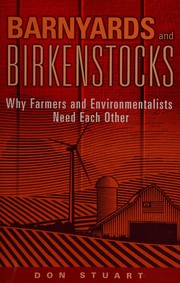
Barnyards and Birkenstocks
Donald D. Stuart · 2014
על הספר
Rural America is struggling. The average farmer is now 57 years old. Family agriculture is gradually fading, leading to declines in related industries. Food sources--increasingly anonymous, industrial, and international--are also less secure. Despite these concerns, many communities regularly convert prime farmland to environmentally harmful applications. Yet food cultivation, too, has profound ecological consequences. Working agriculture occupies fully half of the total U.S. land base, and farms consume eighty percent of the nation's water. Although they often prevent sprawling development, improve water quality, or provide wildlife habitat, they also pollute rivers, drain wetlands, or emit destructive greenhouse gasses. Don Stuart believes these two dangerous trends--the loss of farms and damage to ecosystems--are connected, and that a major cause is the political deadlock between farmers and environmental activists. Instead of achieving a reasonable balance, this stalemate stalls funding for incentive programs and prevents progress toward essential regulations. Stuart offers a radical proposal: collaboration would advance the economic needs of one group while furthering the conservation efforts of the other. With a goal of promoting understanding, he presents opposing perspectives on topics such as incentives, regulations, government spending, environmental markets, growth management, climate change, public lands grazing, and the Federal Farm Bill. He points out costs of continued political impasse. Finally, drawing from a lifetime spent settling conflicts, he identifies characteristics of successful community programs to suggest a model for a prosperous, healthy future.--Publisher description.
פרטי הספר
- שנה
- 2014
- שפה
- English
- הוצאה
- Washington State University Press
- מהדורות
- 1
- עמודים
- 280
- ISBN
- 9780874223224
מקור הנתונים: Wikidata