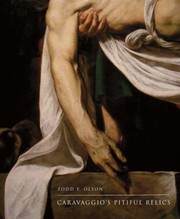
Caravaggios Pitiful Relics Painting History After Iconoclasm
Todd P. Olson · 2014
על הספר
"The renowned Italian painter Michelangelo Merisi da Caravaggio (1571-1610) established his career in Catholic Rome, making paintings that placed particular importance on sacred relics and the glorification of martyred saints. Beginning with his early works, Caravaggio was intensely engaged with the physical world. He not only interrogated appearances but also experimented with the paint's material nature. Caravaggio's Pitiful Relics explores how the artist's commitment to materiality served and ultimately challenged the Counter Reformation church's interests. In his first ecclesiastical commission, Caravaggio offered an unconventional representation of martyrdom that collapsed the borders between art, contemporary religious persecution, iconoclasm, and relics in early Christian catacombs. Yet his art controversially and eventually led to a criminal trial. After he had fled from Rome in disgrace, his major altarpiece depicting the death of the Virgin Mary, portraying her mortality rather than her sanctity, was removed. Caravaggio's materiality came into conflict with changing notions of the sacred; thereafter, the sacred object became a secular work of art, marking the displacement of the relic."--
פרטי הספר
- שנה
- 2014
- שפה
- English
- הוצאה
- Yale University Press
- מהדורות
- 1
- עמודים
- 247
- ISBN
- 9780300190137
מקור הנתונים: Wikidata