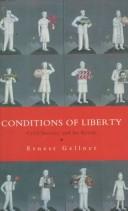
Conditions of Liberty
Ernest Gellner · 1994
על הספר
As Ernest Gellner shows in this path-breaking book, the most significant difference between communism (and other totalitarian ideologies) and Western liberalism is the existence of the civil society - the intermediary institutions like trade unions, political parties, religions, pressure groups and clubs which fill the gap between the family and the state. Under communism the civil society was suppressed. In liberal democracy it thrives. If life is to improve in Eastern Europe, the civil society must be encouraged to grow and prosper: the early signs - as observed by the doyen of British social anthropology - are good. The contrast with militant Islam is extraordinary: while Marxism as a faith has collapsed, Islam has been growing ever stronger. In fundamentalist states like Iran there is little civil society and apparently not much pressure for one, either. Why is there so little resistance or opposition? How can this be understood? This is an extremely important book and a major contribution to the 'end of history' debate by one of the most distinguished scholars working in Europe today.
פרטי הספר
- שנה
- 1994
- שפה
- English
- הוצאה
- Penguin (Non-Classics)
- מהדורות
- 2
- עמודים
- 240
- ISBN
- 9780140236057
מקור הנתונים: Wikidata
עוד של Ernest Gellner