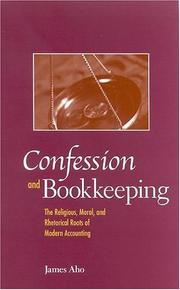
Confession And Bookkeeping
James Alfred Aho · 2005
איפה לקנות
בדקו את המחיר העדכני באמזון. אנחנו לא מציגים מחירים כי הם משתנים מדי יום.
לצפייה באמזוןקישור שותפים. בתור שותפים של Amazon אנחנו מרוויחים מרכישות מתאימות.
על הספר
"Double-entry bookkeeping (DEB), modern capitalism's first and foremost calculative technology, was "invented" during the Middle Ages when profit making was morally stigmatized. James Aho examines the problematic of moneymaking and offers an explanatory understanding of the paradoxical coupling of profit seeking and morality by situating DEB in the religious circumstances from which it emerged, specifically the newly instituted sacrament of penance, that is, confession." "Confession impacted the consciences of medieval businessmen both through its sacramental form and through its moral teachings. The form of confession produced widespread habits of moral scrupulosity (leading to compulsive record keeping); the content of confession taught that commerce itself was morally suspect. Scrupulous businessmen were thus driven to justify their affairs to church, commune, and themselves. With the aid of DEB, moneymaking was "Christianized" and Christianity was made more amenable to the pursuit of wealth. Although DEB is typically viewed exclusively as a scientifically neutral account of the flow of money through a firm, it remains as it was originally devised, a rhetorical argument."--BOOK JACKET.
פרטי הספר
- שנה
- 2005
- שפה
- English
- הוצאה
- State University of New York Press
- מהדורות
- 2
- עמודים
- 131
- ISBN
- 9780791465455
מקור הנתונים: Wikidata
עוד של James Alfred Aho