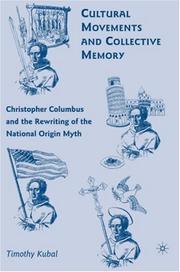
Cultural Movements and Collective Memory
Timothy Kubal · 2008
על הספר
"Christopher Columbus is a historical figure and a symbol of the U.S. national origin myth. This myth has served many needs and interests. In the late eighteenth century, Columbus commemorations began, and have continued for centuries as a patriotic celebration used to rally the public during wartimes, develop identity boundaries, praise patriotic obedience. and celebrate change as progress. This state sponsored holiday was not simply a day to meet the interests of those in power, but became an important time for mobilization among relatively powerless groups." "Why can some powerless groups rewrite the past? Professor Kubal, a specialist in social movements and culture, uses political process theory to examine the four most successful cultural movements that have mobilized around Columbus. He examines three centuries of commemoration and argues that patriotic, religious, ethnic, and anti-colonial movements were most successful at rewriting the national origin myth because they took advantage of political opportunities, efficiently mobilized resources, and effectively framed their communication. The book provides a clear application of the political process model and tells an interesting, sometimes humorous story of how the powerless public can mobilize to rewrite the past."--Jacket.
פרטי הספר
- שנה
- 2008
- שפה
- English
- הוצאה
- Palgrave Macmillan
- מהדורות
- 1
- עמודים
- 272
- ISBN
- 9781403975775
מקור הנתונים: Wikidata