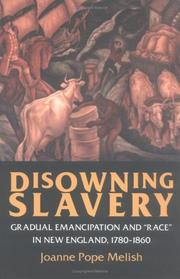
Disowning Slavery
Joanne Pope Melish · 1998
איפה לקנות
המחיר באמזון משתנה מדי יום, אז הכי נכון לראות אותו שם ברגע הקנייה.
לצפייה באמזוןזה קישור שותפים: כשקונים דרכו, האתר מקבל עמלה קטנה בלי תוספת במחיר עבורכם, וזה עוזר לנו להביא תוכן איכותי ולתחזק את האתר. בתור שותפים של Amazon אנחנו מרוויחים מרכישות מתאימות.
על הספר
After slavery was abolished in New England, white citizens seemed to forget that it had ever existed there. Drawing on a wide array of primary sources - from slaveowners' diaries to children's daybooks to racist broadsides - Joanne Pope Melish reveals not only how northern society changed but how its perceptions changed as well. Melish explores the origins of racial thinking and practices to show how ill prepared the region was to accept a population of free people of color in its midst. Because emancipation was gradual, whites transferred prejudices shaped by slavery to their relations with free people of color, and their attitudes were buttressed by abolitionist rhetoric that seemed to promise riddance of slaves as much as slavery. She tells how whites came to blame the impoverished condition of people of color on their innate inferiority, how racialization became an important component of New England antebellum nationalism, and how former slaves actively participated in this discourse by emphasizing their African identity.
המשפט הראשון: In the lifetime of New England slavery, whites across a spectrum of belief held a common set of assumptions about the limits and possibilities of the behavior and mental capacity of enslaved people of color-assumptions that were conditioned, however, by the belief that these characteristics had been heavily affected by enslavement and might be altered radically by freedom.
פרטי הספר
- שנה
- 1998
- שפה
- English
- הוצאה
- Cornell University Press
- מהדורות
- 3
- עמודים
- 296
- ISBN
- 9780801484377
מקור הנתונים: Wikidata
