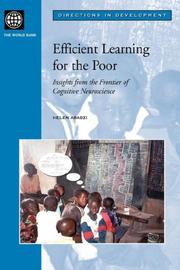
Efficient Learning for the Poor
Helen Abadzi · 2006
איפה לקנות
בדקו את המחיר העדכני באמזון. אנחנו לא מציגים מחירים כי הם משתנים מדי יום.
לצפייה באמזוןקישור שותפים. בתור שותפים של Amazon אנחנו מרוויחים מרכישות מתאימות.
על הספר
Large-scale efforts have been made since the 1990s to ensure that all children of the world go to school. But mere enrollment is not sufficient; students must become fluent in reading and calculation by the end of grade 2. Fluency is needed to process large amounts of text quickly and use the information for decisions that may ultimately reduce poverty. State-of-the-art brain imaging and cognitive psychology research can help formulate effective policies for improving the basic skills of low-income students. This book integrates research into applications that extend from preschool brain development to the memory of adult educators. In layman's terms, it provides explanations and answers to questions such as: Why do children have to read fast before they can understand what they read? - How do health, nutrition, and stimulation influence brain development? - Why should students learn basic skills in their maternal language? - Is there such a thing as an untrained teacher? - What signs in a classroom show whether students are getting a quality education? - How must information be presented in class so that students can retain it and use it? - What training techniques are most likely to help staff put their learning into use? This book would be useful to policy makers, donor agency staff, teacher trainers, supervisors, and inspectors, as well as university professors and students.
פרטי הספר
- שנה
- 2006
- שפה
- English
- סדרה
- Directions in development
- הוצאה
- World Bank
- מהדורות
- 2
- עמודים
- 286
- ISBN
- 9780821366882
מקור הנתונים: Wikidata