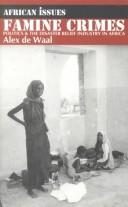
Famine crimes
Alexander De Waal · 1997
איפה לקנות
בדקו את המחיר העדכני באמזון. אנחנו לא מציגים מחירים כי הם משתנים מדי יום.
לצפייה באמזוןקישור שותפים. בתור שותפים של Amazon אנחנו מרוויחים מרכישות מתאימות.
על הספר
Famine is preventable. The persistence of famine reflects political failings by African governments, western donors and international relief agencies. Can Africa avoid famine? When freedom from famine is a basic right or a political imperative, famine is prevented. Case studies from Ethiopia to Botswana demonstrate African successes - but they are often not acknowledged or repeated. Who is responsible for the failures? African generals and politicians are the prime culprits for creating famines in Sudan, Somalia and Zaire, but western donors abet their authoritarianism, partly through imposing structural adjustment programmes. What is the role of International relief agencies? Despite prodigious expenditure and high public profile, relief agencies often do more harm than good. From Biafra to Rwanda, relief has helped to fuel war and undermine democratic accountability. As the influence and resources of UN agencies and NGOs have grown, the chances for effective local solutions have diminished. What is the way forward? Humanitarian intervention and other high-profile relief operations have failed. Progress lies in bringing the fight against famine into democratic politics, and calling to account those guilty of creating famine.
פרטי הספר
- שנה
- 1997
- שפה
- English
- הוצאה
- Indiana University Press
- מהדורות
- 4
- עמודים
- 238
- ISBN
- 9780253333674
מקור הנתונים: Wikidata
עוד של Alexander De Waal