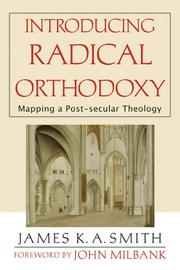
Introducing Radical Orthodoxy
James K. A. Smith · 2004
איפה לקנות
המחיר באמזון משתנה מדי יום, אז הכי נכון לראות אותו שם ברגע הקנייה.
לצפייה באמזוןזה קישור שותפים: כשקונים דרכו, האתר מקבל עמלה קטנה בלי תוספת במחיר עבורכם, וזה עוזר לנו להביא תוכן איכותי ולתחזק את האתר. בתור שותפים של Amazon אנחנו מרוויחים מרכישות מתאימות.
על הספר
The news of modernity's death has been greatly exaggerated. The Enlightenment project lives on in the notion of "the secular"--a zone decontaminated of religious belief. But the postmodern critique of modernity also calls into question the very notion of the secular, presenting an opportunity for questions such as, If modernity is essentially linked to the secular, shouldn't Christians welcome the advent of postmodernity? In Introducing Radical Orthodoxy, James K. A. Smith plays the role of a cartographer, mapping the landscape of contemporary theology and culture in order to introduce the distinctive voice of Radical Orthodoxy, which is associated with John Milbank, Graham Ward, Catherine Pickstock, and others. Radical Orthodoxy, he argues, has important things to say to both the academy and the church. Radical Orthodoxy affirms that there is no "secular." All is religious. If that is the case, Smith maintains, then the intellectual framework of all academic disciplines must be distinctively Christian. To deny this, he writes, is to fall victim to the modernist siren song of objective reason, which, in fact, is a pagan song in disguise. Radical Orthodoxy also challenges the church to a radical discipleship, resisting accommodation to a culture dominated by consumerism and violence. Drawing on Augustine and Aquinas, engaged through the lenses of the Reformed thought of Calvin, Kuyper, and Dooyeweerd, Smith argues that Radical Orthodoxy is in an ideal position to articulate an old-but-new postmodern theology that resonates with the Reformed tradition.
פרטי הספר
- שנה
- 2004
- שפה
- English
- הוצאה
- Baker Academic
- מהדורות
- 1
- עמודים
- 296
- ISBN
- 9780801027352
מקור הנתונים: Wikidata
עוד של James K. A. Smith