More with less
איפה לקנות
בדקו את המחיר העדכני באמזון. אנחנו לא מציגים מחירים כי הם משתנים מדי יום.
לצפייה באמזוןקישור שותפים. בתור שותפים של Amazon אנחנו מרוויחים מרכישות מתאימות.
על הספר
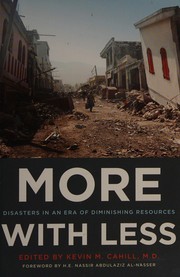
Natural and human-made disasters are increasing around the world. Hurricanes, typhoons, earthquakes, tsunamis, droughts, and resultant famine, floods, and armed conflicts are constant reminders of the frailty of our human race. Global warming may cause whole island states to be submerged as the oceans rise. In the past these acute and recurring crises have been met by the international community responding to UN and media appeals. The economic collapse of nations is now a reality; some of those most affected had been traditional, generous donors to disaster relief operations. It is unlikely-probably impossible-that they will be able to continue to contribute overseas when their own domestic needs are unmet. A recent New York Times front page report suggested that one of the few domestic issues to have bipartisan support was to cut the foreign aid budget. This book analyzes the global economic forecast and the United Nations pattern of philanthropy, provides a case study of how one nation with a tradition of giving will cope in the face of a marked reduction in flexible funds, and then provides thoughtful chapters on new approaches to disaster preparedness and disaster response. Among the contributors are the Director of UNESCO, the UN Undersecretary General for Humanitarian Assistance, the Secretary General's Special Representative for Disaster Risk Reduction, and fresh suggestions from three well-known global entrepreneurs. All royalties from this book go to the training of humanitarian workers.
פרטי הספר
- שנה
- 2012
- שפה
- English
- סדרה
- International humanitarian affairs
- הוצאה
- Fordham University Press
- מהדורות
- 2
- עמודים
- 180
- ISBN
- 9780823250172
מקור הנתונים: Wikidata
עוד של Kevin M. Cahill