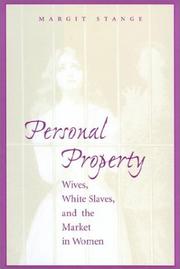
Personal property
Margit Stange · 1998
איפה לקנות
בדקו את המחיר העדכני באמזון. אנחנו לא מציגים מחירים כי הם משתנים מדי יום.
לצפייה באמזוןקישור שותפים. בתור שותפים של Amazon אנחנו מרוויחים מרכישות מתאימות.
על הספר
Readers in the early twentieth century witnessed an explosion of lurid white slavery literature - stories and tracts proclaiming that, every year, thousands of young women were being abducted and sold into forced prostitution. Despite well-publicized findings that white slavery was a fabrication, revelations that (in the words of lawman and writer Clifford Roe) "most large cities are in fact market places where girls are sold and bought" soared to popularity in the years between 1909 and 1914, reaching a mass audience through magazines like McClure's and dozens of popular anthologies. In Personal Property, Margit Stange analyzes white slavery literature in relation to other key American writings of the time, by Charlotte Perkins Gilman, Edith Wharton, Jane Addams, and Kate Chopin. These works share a view of woman as at once domestic and public, the mainstay of the home and a form of circulating property endowed with the commodity value that fuels marketing and consumption. Personal Property explores the nativist and antibusiness anxieties of the Progressive Era, the fear that consumerism was corrupting maternal and wifely roles, the "social housekeeping" movement, and women's struggle for identity and professional stature in the U.S. marketplace economy of the early twentieth century.
המשפט הראשון: A 1910 white slavery narrative, "The True Story of Estelle Ramon," tells of a young woman whose widowed mother has pressured her into marrying a flashy stranger from the city.
פרטי הספר
- שנה
- 1998
- שפה
- English
- הוצאה
- The Johns Hopkins University Press
- מהדורות
- 1
- עמודים
- 184
- ISBN
- 9780801872549
מקור הנתונים: Wikidata