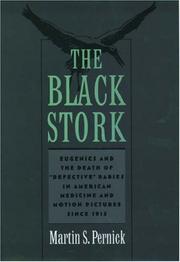
The black stork
Martin S. Pernick · 1996
איפה לקנות
המחיר באמזון משתנה מדי יום, אז הכי נכון לראות אותו שם ברגע הקנייה.
לצפייה באמזוןזה קישור שותפים: כשקונים דרכו, האתר מקבל עמלה קטנה בלי תוספת במחיר עבורכם, וזה עוזר לנו להביא תוכן איכותי ולתחזק את האתר. בתור שותפים של Amazon אנחנו מרוויחים מרכישות מתאימות.
על הספר
In the late 1910s Dr. Harry J. Haiselden, a prominent Chicago surgeon, electrified the nation by allowing the deaths of at least six infants he diagnosed as "defectives." Seeking to publicize his efforts to eliminate the "unfit," he displayed the dying infants to journalists, wrote about them for the Hearst newspapers, and starred in a feature film about his crusade. Prominent Americans from Clarence Darrow to Helen Keller rallied to his support. The Black Stork tells this startling story, based on newly-rediscovered sources and long-lost motion pictures, in order to illuminate many broader controversies. The book shows how efforts to improve human heredity (eugenics) became linked with mercy-killing (euthanasia) and with race, class, gender, and ethnic hatreds. It documents how mass culture changed the meaning of medical concepts like "heredity" and "disease," and how medical controversies helped shape the commercial mass media. It demonstrates how cultural values influence science, and how scientific claims of objectivity have shaped modern culture. While focused on the formative years of early 20th century America, The Black Stork traces these issues from antiquity to the rise of Nazism, and to the "Baby Doe," assisted suicide, and human genome initiative debates of today.
המשפט הראשון: At 4:00 A.M., November 12, 1915, in Chicago's German-American Hospital, Anna Bollinger gave birth to a seven-pound baby boy.
פרטי הספר
- שנה
- 1996
- שפה
- English
- הוצאה
- Oxford University Press, USA
- מהדורות
- 3
- עמודים
- 328
- ISBN
- 9780195135398
מקור הנתונים: Wikidata