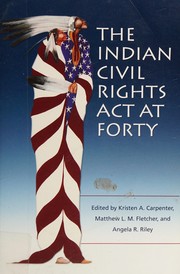
The Indian Civil Rights Act at forty
Kristen A. Carpenter, Matthew L. M. Fletcher, Angela R. Riley · 2012
על הספר
Congress passed the Indian Civil Rights Act of 1968 (ICRA) to address civil rights in Indian country. ICRA extended select, tailored provisions of the Bill of Rights--including equal protection, due process, free speech and religious exercise, criminal procedure, and property rights--to tribal governments. But, with the exception of the writ of habeas corpus, Congress did not establish a federal enforcement mechanism for violations of the Act, nor did it abrogate tribal sovereign immunity. Thus, ICRA has been interpreted and enforced almost exclusively by Indian tribes and their courts. This collection of essays, gathered on the fortieth anniversary of ICRA, provides for the first time a summary and critical analysis of how Indian tribes interpret and apply these important civil rights provisions in our contemporary world. The authors have found that, while informed by ICRA and the dominant society's conception of individual rights, Indian nations are ultimately adapting and interpreting ICRA in ways consistent with their own tribal traditions and beliefs. In some respects, ICRA parallels the broader experiences of tribes over the past forty years--a period of growth, revitalization, and self-determination for many Indian nations.--Amazon.com.
פרטי הספר
- שנה
- 2012
- שפה
- English
- הוצאה
- UCLA American Indian Studies Center
- מהדורות
- 1
- עמודים
- 358
- ISBN
- 9780935626674
מקור הנתונים: Wikidata