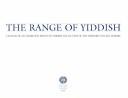
Yiddish after 1945
Marion Aptroot · 2018
איפה לקנות
המחיר באמזון משתנה מדי יום, אז הכי נכון לראות אותו שם ברגע הקנייה.
לצפייה באמזוןזה קישור שותפים: כשקונים דרכו, האתר מקבל עמלה קטנה בלי תוספת במחיר עבורכם, וזה עוזר לנו להביא תוכן איכותי ולתחזק את האתר. בתור שותפים של Amazon אנחנו מרוויחים מרכישות מתאימות.
על הספר
After the Second World War, Yiddish culture appeared to be all but annihilated. The murder of large numbers of Yiddish speakers during the Shoah, which came after almost a century of linguistic assimilation among of Ashkenazic Jews, seemed to mark the end of Yiddish as a living language. This caused serious concern among remaining Yiddish intellectuals such as authors, journalists, theatre and film makers and educators, who began to question how and if the use of the Yiddish language was to be continued. 0During the eleventh edition of the Amsterdam Yiddish Symposium, held in January 2017, three scholars of Yiddish literature and culture presented important observations and considerations regarding the state and future of Yiddish after the end of the Second World War. Gali Drucker Bar-Am mapped out major Yiddish cultural enterprises that took place around the world in the immediate post-war years. Joanna Nalewajko-Kulikov discussed and analyzed Yiddish activities in Poland, a country with state-sponsored Jewish institutions, in the two decades following the Second World War. Anita Norich talked about the role of translation: translation as the herald of the end of a living Yiddish culture or as a means of preservation of this culture that enables it to continue to flourish. The current publication, edited by prof. Marion Aptroot, contains the proceedings of this symposium.0.
פרטי הספר
- שנה
- 2018
- שפה
- English
- סדרה
- Amsterdam Yiddish symposium -- 11
- הוצאה
- Menasseh ben Israel Institute
- מהדורות
- 1
- עמודים
- 66
- ISBN
- 9789082265583
מקור הנתונים: Wikidata
עוד של Marion Aptroot