Alberto Moravia
28 n–26 s
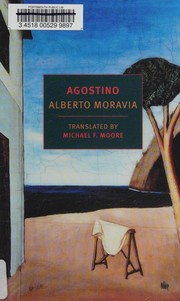
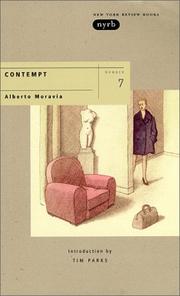
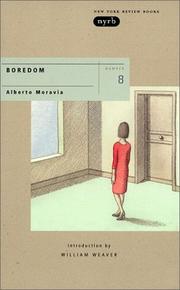
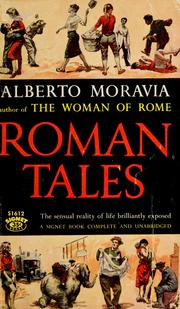
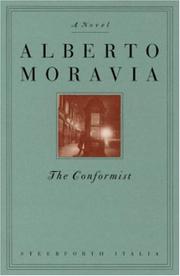
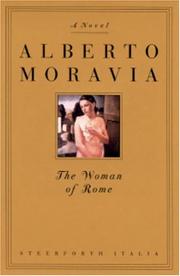
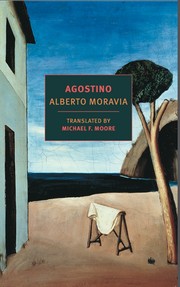
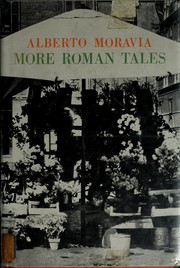
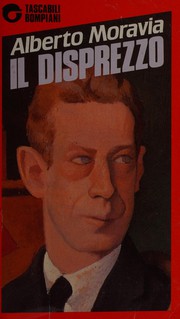
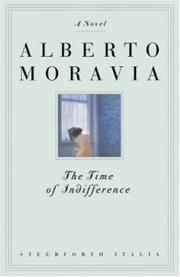
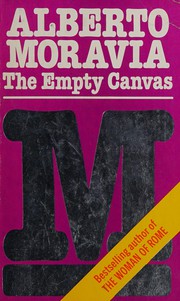
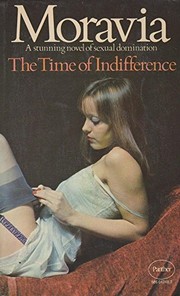
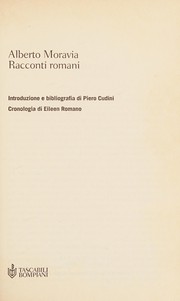
Alberto Moravia is an Italian journalist, short-story writer, and novelist known for his fictional portrayals of social alienation and loveless sexuality. He was a major figure in 20th-century Italian literature. Moravia contracted tuberculosis of the bone (a form of osteomyelitis usually caused by Mycobacterium tuberculosis) at the age of 8, but, during several years in which he was confined to bed and two years in sanatoriums, he studied French, German, and English; read Giovanni Boccaccio, Ludovico Ariosto, William Shakespeare, and Molire; and began to write. Moravia was a journalist for a time in Turin and a foreign correspondent in London. His first novel, Gli indifferenti (1929; Time of Indifference), is a scathingly realistic study of the moral corruption of a middle-class mother and two of her children. It became a sensation. Some of his more important novels are Agostino (1944; Two Adolescents); La Romana (1947; The Woman of Rome); La disubbidienza (1948; Disobedience); and Il conformista (1951; The Conformist), all on themes of isolation and alienation. La ciociara (1957; Two Women) tells of an adaptation to post-World War II Italian life. La noia (1960; The Empty Canvas) is the story of a painter unable to find meaning either in love or work. Many of Moravia's books were made into motion pictures. His books of short stories include Racconti romani (1954; Roman Tales) and Nuovi racconti romani (1959; More Roman Tales). Racconti di Alberto Moravia (1968) is a collect
199 books in the database
Books

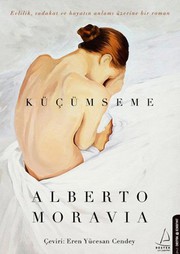
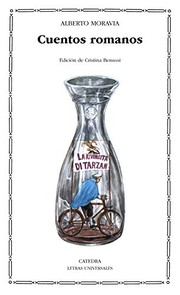
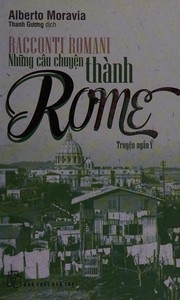
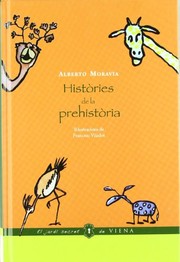
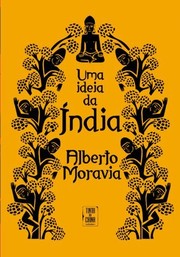
Co-authored books and collections
Books that list Alberto Moravia among their authors but not as the lead author: co-written works, collections and compilations.