A Simple game-theoretic approach to suppression of enemy defenses and other time critical target analyses
Where to buy
Amazon’s price changes daily, so the most accurate place to see it is there, at the moment you buy.
View on AmazonAbout the book
The effectiveness of attacks on time critical targets (suppression of enemy air defenses, interdiction, and anti-theater ballistic missile missions) often depends on decisions made by the adversary. Game theory is a way to study likely changes in enemy behavior resulting from various attack capabilities and goals. Engagement-level combat is treated as a two-player game in which each player is free to choose its strategy. The response an intelligent opponent is likely to make to differing levels of threat capability is critical to understanding and measuring the capability necessary to induce the enemy to follow a preferred course of action. Enemy willingness to engage is an important factor. If the enemy decides not to launch missiles or move ground vehicles, it has become paralyzed, in itself a worthy goal. The emphasis in the study is on the choice of strategies in realistic military situations; all can be analyzed with straightforward mathematics. Finally, the authors discuss situations in which the two sides have different views of the duration of the conflict or the appropriate measures of effectiveness. It is a great advantage to a combatant to know the opponent's real objectives.
Book details
- Year
- 2004
- Language
- English
- Publisher
- RAND Corporation
- Editions
- 1
- Pages
- 55
- ISBN
- 9780833032591
Data source: Wikidata
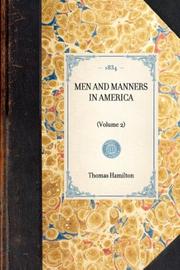
More by Thomas Hamilton