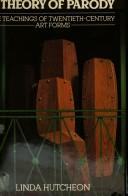
A theory of parody
Linda Hutcheon · 1985
Where to buy
Amazon’s price changes daily, so the most accurate place to see it is there, at the moment you buy.
View on AmazonAbout the book
In this major study of a flexible and multifaceted mode of expression, Linda Hutcheon looks at works of modern literature, visual art, music, film, theater, and architecture to arrive at a comprehensive assessment of what parody is and what it does. Hutcheon identifies parody as one of the major forms of modern self-reflexivity, one that marks the intersection of invention and critique and offers an important mode of coming to terms with the texts and discourses of the past. Looking at works as diverse as Tom Stoppard's "Rosenkrantz and Guildenstern Are Dead", Brian de Palma's "Dressed to Kill", Woody Allen's "Zelig", Karlheinz Stockhausen's "Hymnen", James Joyce's "Ulysses", and Magritte's "This Is Not a Pipe", Hutcheon discusses the remarkable range of intent in modern parody while distinguishing it from pastiche, burlesque, travesty, and satire. She shows how parody, through ironic playing with multiple conventions, combines creative expression with critical commentary. Its productive-creative approach to tradition results in a modern recoding that establishes difference at the heart of similarity.
First sentence: As the title of this book indicates, this is a study of the implications for theory of modern artistic practice.
Book details
- Year
- 1985
- Language
- English
- Publisher
- University of Illinois Press
- Editions
- 1
- Pages
- 168
- ISBN
- 9780252069383
Data source: Wikidata
More by Linda Hutcheon