An age of transition?
Christopher Dyer · 2005
Where to buy
Amazon’s price changes daily, so the most accurate place to see it is there, at the moment you buy.
View on AmazonAbout the book
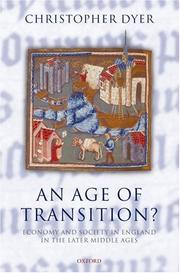
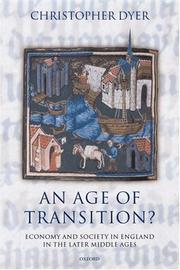
"This new work by a prominent medievalist focuses on the period of transition between 1250 and 1550, when the wealth and power of the great lords was threatened and weakened, and when new social groups emerged and new methods of production were adopted. Professor Dyer examines both the commercial growth of the thirteenth century, and the restructuring of farming, trade, and industry in the fifteenth. The subjects investigated include the balance between individuals and the collective interests of families and villages. The role of the aristocracy and in particular the gentry are scrutinized, and emphasis placed on the initiatives taken by peasants, traders, and craftsmen. The growth in consumption moved the economy in new directions after 1350, and this encouraged investment in productive enterprises. A commercial mentality persisted and grew, and producers, such as farmers, profited from the market. Many people lived on wages, but not enough of them to justify describing the sixteenth-century economy as capitalist. The conclusions are supported by research in sources not much used before, such as wills, and non-written evidence, including buildings."--Jacket.
Book details
- Year
- 2005
- Language
- English
- Series
- Ford lectures
- Publisher
- Clarendon Press
- Editions
- 1
- Pages
- 293
- ISBN
- 9780199215263
Data source: Wikidata
More by Christopher Dyer