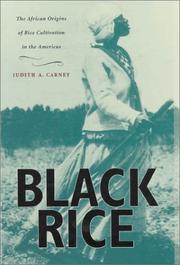
Black rice
Judith Ann Carney · 2002
Where to buy
Amazon’s price changes daily, so the most accurate place to see it is there, at the moment you buy.
View on AmazonThis is an affiliate link: if you buy through it, the site earns a small commission at no extra cost to you, which helps us bring quality content and maintain the site. As an Amazon Associate we earn from qualifying purchases.
About the book
"Few Americans identify slavery with the cultivation of rice. Yet rice was a major plantation crop during the first three centuries of settlement in the Americas. Rice accompanied African slaves across the Middle Passage throughout the New World to Brazil, the Caribbean, and the southern United States. By the middle of the eighteenth century, rice plantations in South Carolina and the black slaves who worked them had created one of the most profitable economies in the world.". "Black Rice tells the history of the true provenance of rice in the Americas. It establishes, through agricultural and historical evidence, the independent domestication of rice in West Africa and its vital significance there for a millennium before Europeans arrived and the slave trade began. The standard belief that Europeans introduced rice to West Africa and then brought the knowledge of its cultivation to the Americas is a fundamental fallacy, one that succeeds in effacing the origins of the crop and the role of Africans and African-American slaves in transferring the seed, the cultivation skills, and the cultural practices necessary for establishing rice in the New World."--BOOK JACKET.
Book details
- Year
- 2002
- Language
- English
- Publisher
- Harvard University Press
- Editions
- 4
- Pages
- 256
- ISBN
- 9780674008342
Data source: Wikidata