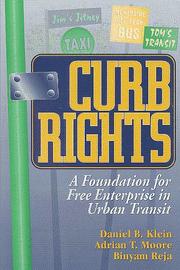
Curb rights
Daniel B. Klein · 2011
Where to buy
Amazon’s price changes daily, so the most accurate place to see it is there, at the moment you buy.
View on AmazonThis is an affiliate link: if you buy through it, the site earns a small commission at no extra cost to you, which helps us bring quality content and maintain the site. As an Amazon Associate we earn from qualifying purchases.
About the book
The authors of this book say it's time to rethink the fundamental structure of transit policy. The book focuses on street-based transit - buses, shuttles, and jitneys. The authors propose that urban transit be brought into the fold of market activity by establishing property rights not only in vehicles, but also in curb zones and transit stops. Market competition and entrepreneurship would depend on a foundation of what they call "curb rights." By creating exclusive and transferable curb rights (to bus stops and other pickup points) leased by auction, the authors contend that American cities can have the best of both kinds of markets - scheduled (and unsubsidized) bus service and unscheduled but faster and more flexible jitneys. They maintain that a carefully planned transit system based on property rights would rid the transit market of inefficient government production and overregulation. It would also avoid the problems of a lawless market - cutthroat competition, schedule jockeying, and even curbside conflict among rival operators. Entrepreneurs would be free, able, and driven to introduce ever better service, revise schedules and route structures, establish connections among transit providers, facilitate passenger interchange, introduce new vehicles, and use new pricing strategies. And travelers would find public transit more attractive than they do now.
Book details
- Year
- 2011
- Language
- English
- Publisher
- Brookings Institution Press
- Editions
- 1
- ISBN
- 9780815707370
Data source: Wikidata
More by Daniel B. Klein