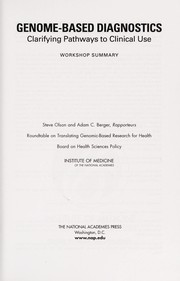
Generating evidence for genomic diagnostic test development
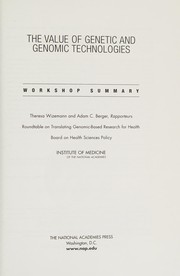
Theresa M. Wizemann, Adam C. Berger · 2011
Where to buy
Amazon’s price changes daily, so the most accurate place to see it is there, at the moment you buy.
View on AmazonThis is an affiliate link: if you buy through it, the site earns a small commission at no extra cost to you, which helps us bring quality content and maintain the site. As an Amazon Associate we earn from qualifying purchases.
About the book
"Ten years after the sequencing of the human genome, scientists have developed genetic tests that can predict a person's response to certain drugs, estimate the risk of developing Alzheimer's disease, and make other predictions based on known links between genes and diseases. However, genetic tests have yet to become a routine part of medical care, in part because there is not enough evidence to show they help improve patients' health.The Institute of Medicine (IOM) held a workshop to explore how researchers can gather better evidence more efficiently on the clinical utility of genetic tests. Generating Evidence for Genomic Diagnostic Test Development compares the evidence that is required for decisions regarding clearance, use, and reimbursement, to the evidence that is currently generated. The report also addresses innovative and efficient ways to generate high-quality evidence, as well as barriers to generating this evidence. Generating Evidence for Genomic Diagnostic Test Development contains information that will be of great value to regulators and policymakers, payers, health-care providers, researchers, funders, and evidence-based review groups."--Publisher's description.
Book details
- Year
- 2011
- Language
- English
- Publisher
- National Academies Press
- Editions
- 5
- Pages
- 85
- ISBN
- 9780309211048
Data source: Wikidata
More by Theresa M. Wizemann