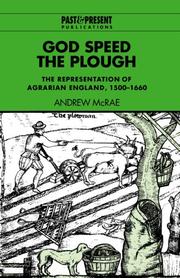
God speed the plough
Andrew McRae · 1996
Where to buy
Amazon’s price changes daily, so the most accurate place to see it is there, at the moment you buy.
View on AmazonThis is an affiliate link: if you buy through it, the site earns a small commission at no extra cost to you, which helps us bring quality content and maintain the site. As an Amazon Associate we earn from qualifying purchases.
About the book
This book presents a fresh view of crucial processes of change, offering through an inter-disciplinary analysis new insights into both the history and the literature of the land in early modern England. In the period 1500 to 1660 the practices and values of rural England were exposed to unprecedented challenges. Within this context a wide variety of commentators examined and debated the changing conditions, a process documented in the pages of sermons, pamphlets, satiric verse and drama, husbandry and surveying manuals, chorographical tracts and rural poetry. The analysis of these text in God speed the plough explores changing patterns of representation. The book argues that important movements revised preexistent assumptions about agrarian England and shaped bold new appreciations of rural life. While Tudor moralists responded to social crises by asserting ideals of rural stability and community, by the seventeenth century a discourse of improvement promoted vitally divergent notions of thrift and property.
First sentence: Sir Thomas More's social criticism, voiced by Hythlodaeus in the first book of Utopia, includes perhaps the single most influential complaint about agrarian change ever published in England.
Book details
- Year
- 1996
- Language
- English
- Publisher
- Cambridge University Press
- Editions
- 1
- Pages
- 351
- ISBN
- 9780521524667
Data source: Wikidata
More by Andrew McRae