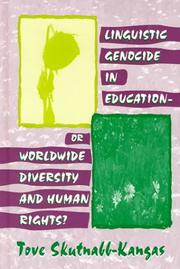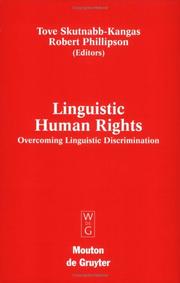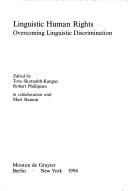
Linguistic Human Rights
Tove Skutnabb-Kangas · 1995
Where to buy
Amazon’s price changes daily, so the most accurate place to see it is there, at the moment you buy.
View on AmazonThis is an affiliate link: if you buy through it, the site earns a small commission at no extra cost to you, which helps us bring quality content and maintain the site. As an Amazon Associate we earn from qualifying purchases.
About the book
Only a few hundred of the world's 6,000-7,000 languages have any kind of official status, and it is only speakers of official languages (speakers of dominant majority languages) who enjoy all linguistic human rights. As many of the collected papers in this book document, most linguistic minorities are deprived of these rights. This book describes what linguistic human rights are, who has and who does not have them and why, and suggests which linguistic rights should be regarded as basic human rights. Linguistic Human Rights introduces a new area, combining sociolinguistics, educational, and minority concerns with human rights. Discrimination against language minorities is widespread, despite national and international law prohibiting this. The book analyzes language rights in many countries worldwide, including North and Latin America, several European states, the former USSR, India, Kurdistan, Australia and New Zealand. -- Description from http://www.barnesandnoble.com/ (Jan. 29, 2016).
Book details
- Year
- 1995
- Language
- English
- Publisher
- Mouton de Gruyter
- Editions
- 1
- Pages
- 484
- ISBN
- 9783110143706
Data source: Wikidata
More by Tove Skutnabb-Kangas