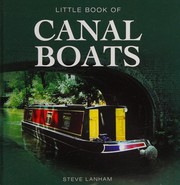
Little book of canal boats
Steve Lanham · 2013
Where to buy
Amazon’s price changes daily, so the most accurate place to see it is there, at the moment you buy.
View on AmazonAbout the book
Britain's waterways have been used as a source of transport ever since man needed to convey large quantities of minerals, raw material and mass produced commodities. The Romans introduced canals to these islands as early as 120AD and by the late 1700s, a network of man-made arteries linked major rivers and sea ports to land-locked industrialised cities and towns across the country. Initially barges were pulled by horse but as steam and then internal combustion engines were developed during the 19th century, they were introduced into the narrow boat. The advent of rail travel and improvements to roads, however, saw the decline of this slow and leisurely form of transport and canals gradually fell into disrepair. After World War II, it was realised that much of Britain's social and industrial heritage was disappearing and there emerged an enthusiasm to preserve our past as much as possible. Now there are more than 4,000 miles of navigable waterways with many more earmarked for restoration. They include some of Britain's greatest engineering feats such as tunnels, aqueducts and flights of locks, today numbering amongst our most popular tourist attractions.
Book details
- Year
- 2013
- Language
- English
- Publisher
- Demand Media
- Editions
- 1
- ISBN
- 9781909217393
Data source: Wikidata
More by Steve Lanham