New directions in philosophy and cognitive science
Jay Schulkin · 2012
Where to buy
Amazon’s price changes daily, so the most accurate place to see it is there, at the moment you buy.
View on AmazonAbout the book
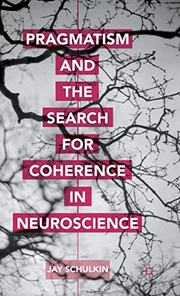
Theories of brain evolution stress communication and sociality are essential to our capacity to represent objects as intersubjectively accessible. How did we grow as a species to be able to recognize objects as common, as that which can also be seen in much the same way by others? Such constitution of intersubjectively accessible objects is bound up with our flexible and sophisticated capacities for social cognition - understanding others and their desires, intentions, emotions, and moods - which are crucial to the way human beings live. This book is about contemporary philosophical and neuroscientific perspectives on the relation of action, perception, and cognition as it is lived in embodied and socially embedded experience. This emphasis on embodiment and embeddedness is a change from traditional theories, which focused on isolated, representational, and conceptual cognition. In the new perspectives contained in our book, such 'pure' cognition is thought to be under-girded and interpenetrated by embodied and embedded processes.
Book details
- Year
- 2012
- Language
- English
- Publisher
- Palgrave Macmillan
- Editions
- 1
- Pages
- 272
- ISBN
- 9780230282582
Data source: Wikidata
More by Jay Schulkin