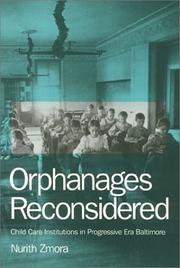
Orphanages reconsidered
Nurith Zmora · 1996
Where to buy
Amazon’s price changes daily, so the most accurate place to see it is there, at the moment you buy.
View on AmazonThis is an affiliate link: if you buy through it, the site earns a small commission at no extra cost to you, which helps us bring quality content and maintain the site. As an Amazon Associate we earn from qualifying purchases.
About the book
Challenging the monolithic, Dickensian stereotypes of orphanages, this comparative study of three private orphanages in Baltimore suggests a diversified and more positive picture of such institutions. Written from the point of view of the communities, the management of the institutions, and the orphans themselves, Orphanages Reconsidered portrays innovative establishments that were the community's response to the plight of poor, single parents who needed boarding schools for their children. Using institutional records, letters from the children, interviews, and published autobiographies, Nurith Zmora studies how three private orphanages in Baltimore affected both the children that they housed and educated and their families. Focusing on the Hebrew Orphan Asylum, the Samuel Ready School for Girls (non-denominational Protestant), and the Dolan Children's Aid Society (Catholic), the author demonstrates that orphanages were an integral part of their communities. Community leaders worked with superintendents to provide adequate facilities, food, hygiene, and medical care and to create optimal educational opportunities. Countering previous accounts of child abuse in orphan asylums, Zmora shows that they provided stable and relatively comfortable and healthy environments for their wards. As students, orphans received educational advantages they might not have otherwise had. These institutions also played a pivotal role in rebuilding families, by giving vocational training that translated into family income, by keeping siblings together, and by encouraging orphans to maintain close ties with relatives. The author finds that the institutions varied considerably in their response to the needs of the communities; their ethnic and religious affiliations; their financial support; and the beliefs, skills, and personalities of their staffs.
Book details
- Year
- 1996
- Language
- English
- Publisher
- Temple University Press
- Editions
- 1
- Pages
- 256
- ISBN
- 9781566394659
Data source: Wikidata