Purshia
James A. Young · 2002
Where to buy
Amazon’s price changes daily, so the most accurate place to see it is there, at the moment you buy.
View on AmazonThis is an affiliate link: if you buy through it, the site earns a small commission at no extra cost to you, which helps us bring quality content and maintain the site. As an Amazon Associate we earn from qualifying purchases.
About the book
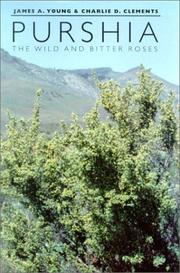
Among the plant species of the Great Basin rangeland, the Purshia - ancient members of the rose family evolved to survive the aridity and temperature extremes of this harsh region - are one of the most important. In this first book-length study of this key plant species, range scientists James A. Young and Charlie D. Clements offer a comprehensive examination of the biology of the Purshias and their significant role in the ecology of the Great Basin. The authors' discussion is both thorough and broad in scope. They cover the evolution and probable origins of the Purshias (antelope bitterbrush, desert bitterbrush, and cliffrose); the history of their recognition as an important component of the rangeland forage supply for both wild and domesticated animals; the characteristics of the various Purshia plant communities; the ecophysiology of the species, including seed production and the effects of wildfire; the physiology of seeds, the process of germination, and procedures for artificially seeding Purshia to replace natural populations depleted by overgrazing or wildfires; the role of granivores (seed-eating animals, birds, and insects) in the dispersal of Purshia; the role of Purshia in the nutrition of mule deer and domestic livestock; the impact of insects, plant diseases, and wildfire on Purshia species.
Book details
- Year
- 2002
- Language
- English
- Publisher
- University of Nevada Press
- Editions
- 1
- Pages
- 266
- ISBN
- 9780874174915
Data source: Wikidata
More by James A. Young