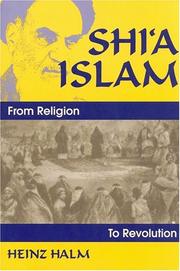
Shi'a Islam
Heinz Halm, Allison Brown · 1997
Where to buy
Amazon’s price changes daily, so the most accurate place to see it is there, at the moment you buy.
View on AmazonThis is an affiliate link: if you buy through it, the site earns a small commission at no extra cost to you, which helps us bring quality content and maintain the site. As an Amazon Associate we earn from qualifying purchases.
About the book
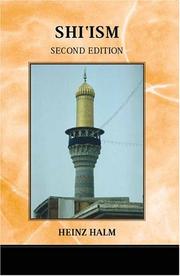
The author highlights the three main aspects of Shi'a Islam: its historical development, especially the history of the Imams; the rituals, including flagellation and passion plays; and the rule of the mullahs, known as the "government of experts.". Shi'ism is as old as Islam. It began as an exclusively Arab political issue of succession to Muhammad, and was later embraced by the Iranians. At the core of Shi'i religious practice are rituals of mourning and atonement. Halm describes the elegies of mourning and the ta'ziye (passion plays) and includes travelers' accounts over the course of several centuries that establish striking similarities between Iranian and particular Christian practices. Halm explains the exalted position of the religious scholars, the mullahs and ayatollahs, who established themselves as clergy in the Safavid empire and defined themselves as "administrators" for the Hidden Imam. Their authority is based on idtschtihad, the rational interpretation of the Koran and the traditions of the Imans. The relationship between the rulers of Iran and the mullahs has always been tense. The Khomeini revolution was the powerful culmination of a lengthy history of conflict.
Book details
- Year
- 1997
- Language
- English
- Publisher
- Markus Wiener Publishers
- Editions
- 2
- Pages
- 176
- ISBN
- 9781558761346
Data source: Wikidata
More by Heinz Halm