The legacy of Edward W. Said
William V. Spanos · 2009
Where to buy
Amazon’s price changes daily, so the most accurate place to see it is there, at the moment you buy.
View on AmazonAbout the book
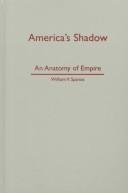
With the untimely death of Edward W. Said in 2003, various academic and public intellectuals worldwide have begun to reassess the writings of this powerful oppositional intellectual. Figures on the neoconservative right, who have become influential in the policy-making of George W. Bush's administration, have already begun to discredit Said's work as that of a subversive intent on slandering America's benign global image and undermining its global authority. On the left, a significant number of oppositional intellectuals are eager to counter this neoconservative vilification, proffering a Said who, in marked opposition to the "anti-humanism" of the great poststructuralist thinkers who were his contemporaries--Jacques Derrida, Jean-François Lyotard, Jacques Lacan, Louis Althusser, and Michel Foucault--reaffirms humanism and thus rejects poststructuralist theory. In this provocative assessment of Edward Said's lifework, William V. Spanos argues that Said's lifelong anti-imperialist project is actually a fulfillment of the revolutionary possibilities of poststructuralist theory. Spanos examines Said, his legacy, and the various texts he wrote--including Orientalism, Culture and Imperialism, and Humanism and Democratic Criticism--that are now being considered for their lasting political impact.
Book details
- Year
- 2009
- Language
- English
- Publisher
- University of Illinois Press
- Editions
- 1
- Pages
- 274
- ISBN
- 9780252033889
Data source: Wikidata
More by William V. Spanos