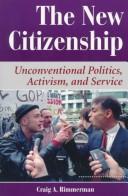
The new citizenship
Craig A. Rimmerman · 1997
Where to buy
Amazon’s price changes daily, so the most accurate place to see it is there, at the moment you buy.
View on AmazonAbout the book
We are not born citizens but must be educated and trained to be citizens. This is the central tenet of The New Citizenship, which builds on the participatory democratic vision of the 1960s. Arguing that civic effort must go beyond merely voting, Craig Rimmerman examines grassroots mobilization, community activism, service learning, and the Internet as potential tools for confronting the breakdown of civility in U.S. politics. At the heart of The New Citizenship are the questions: Why do so many Americans fail to participate in their communities' affairs? What role should the citizenry pay in our political system? In addressing these concerns, the text both evaluates the dilemma of participation, civility, and stability at a time when civic indifference is a national problem and outlines its sources, suggesting ways in which Americans can conquer their apathy toward government. Rimmerman also identifies alternative forms of participation (besides voting) seized upon by the citizenry to register discontent with its representative government. Considerable attention is devoted to the attitudes and values of college students as they approach their roles within the larger political system.
First sentence: IN HIS COLLECTION OF INTERVIEWS with Civil Rights movement participants car out between 1974 and 1976, journalist Howell Raines (1977) includes Hart Turnbow's reflection on the meaning of the vote for African American Mississippians in the 1960s.
Book details
- Year
- 1997
- Language
- English
- Publisher
- Westview Press
- Editions
- 1
- Pages
- 192
- ISBN
- 9780813343099
Data source: Wikidata
More by Craig A. Rimmerman