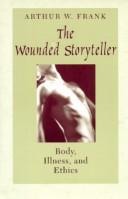
The wounded storyteller
Arthur W. Frank · 1995
Where to buy
Amazon’s price changes daily, so the most accurate place to see it is there, at the moment you buy.
View on AmazonThis is an affiliate link: if you buy through it, the site earns a small commission at no extra cost to you, which helps us bring quality content and maintain the site. As an Amazon Associate we earn from qualifying purchases.
About the book
Ill people are more than victims of disease or patients of medicine; they are wounded storytellers, Frank argues. People tell stories to make sense of their suffering; when they turn their diseases into stories, they find healing. Drawing on the work of authors such as Oliver Sacks, Anatole Broyard, Norman Cousins, and Audre Lorde, as well as on the stories of people he has met during years spent among different illness groups, Frank recounts a stirring collection of illness narratives, ranging from the well-known - Gilda Radner's battle with ovarian cancer - to the private testimonials of people with cancer, chronic fatigue syndrome, and disabilities. Their stories are more than accounts of personal suffering: they abound with moral choices and point to a social ethic. Frank identifies three basic narratives of illness - stories of restitution, chaos, and quest. Restitution narratives anticipate getting well and give prominence to the technology of cure. In chaos narratives, illness seems to stretch on forever, with no respite or redeeming insights. Quest narratives are about finding that illness can be transformed into a means for the ill person to become someone new. Understanding these three narrative types helps us to hear the ill, but ultimately illness stories are more. Frank presents these stories as a form of testimony: the ill person is more than a survivor; she is a witness. Schooled in a "pedagogy of suffering," the ill person reaches out to others, offering a truth about living. The truth is a starting point for a "narrative ethics," as private experiences become public voices. Wounded storytellers teach more than a new way to understand illness; they exemplify an emerging ethic of postmodern times.
First sentence: "The destination and map I had used to navigate before were no longer useful."
Book details
- Year
- 1995
- Language
- English
- Publisher
- University of Chicago Press
- Editions
- 5
- Pages
- 260
- ISBN
- 9780226004976
Data source: Wikidata
More by Arthur W. Frank