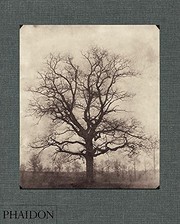
William Henry Fox Talbot
Geoffery Batchen · 2008
Where to buy
Amazon’s price changes daily, so the most accurate place to see it is there, at the moment you buy.
View on AmazonThis is an affiliate link: if you buy through it, the site earns a small commission at no extra cost to you, which helps us bring quality content and maintain the site. As an Amazon Associate we earn from qualifying purchases.
About the book
A beautiful monograph on the work of the inventor of modern photography. The father of modern photography, William Henry Fox Talbot (1800-77) developed the process by which photographic images could be reproduced, but he has yet to be sufficiently appreciated as a photographer in his own right. Over his photographic career he made more than 5,000 images which included fascinating pictures of his home Lacock Abbey, portraits of his family and friends, and still-lifes of botanical specimens, cloth and household objects. A key intellectual figure of the nineteenth century working in science, mathematics, astronomy, politics and archaeology, he is arguably the most important figure in the invention of photography. His practice established many of the medium's most familiar genres and he was devoted to the advancement of photography, publishing the first photographically illustrated book, The Pencil of Nature, in 1844-46 to reveal the potential of the medium to a wider audience. This monograph features many of Talbot's best-known landscapes made around Lacock Abbey and some of the first negatives of the ever made, but it also includes lesser-known and previously unpublished work that reveals the extraordinary diverse scope of his work. His photographs reflect and embody the social and cultural issues of the time, but they are also fascinating, often beautiful, images that are still engaging today.
Book details
- Year
- 2008
- Language
- English
- Publisher
- Phaidon Press
- Editions
- 1
- Pages
- 128
- ISBN
- 9780714841984
Data source: Wikidata