non-fiction (2,450)
Non-fiction is the broad label for books and other texts that try to present the real world, not imaginary one. It stands apart from fiction because its core job is to inform, explain, argue, or document. That can include history, science, economics, philosophy, biography, memoir, and books built around real events or real ideas.
The genre grew alongside the need to record knowledge, test ideas, and share them beyond a small circle. Over time, it moved from straightforward educational and reference writing into books that also bring a personal voice or a strong point of view. So non-fiction is not just dry facts. It can be reflective, analytical, and very readable, while still staying tied to real-world subjects.
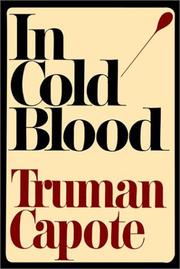
What defines non-fiction is its mix of clarity and purpose. These books often try to explain how something works, support an argument, or tell what happened using evidence and observation. A book like In Cold Blood shows how a true story can be told with tension and precision, while still staying grounded in fact. You will also find works that focus on big ideas, social questions, or technical subjects, often with a clear structure and recurring concepts.
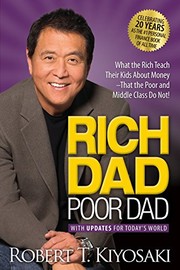
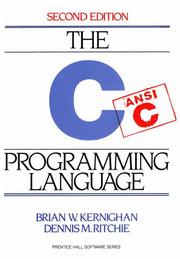
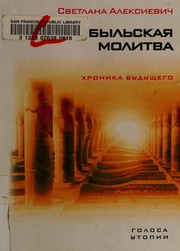
If you are starting out, Rich Dad Poor Dad is a good entry point for readers who want accessible ideas about money and everyday financial thinking. Why Nations Fail: The Origins of Power, Prosperity, and Poverty suits readers who like big-picture social and economic analysis. Homo Deus: A Brief History of Tomorrow fits people drawn to broad questions about the future of humanity and technology. Voices from Chernobyl is a strong choice for readers who want human testimony and lived experience. The C Programming Language is for readers who want something technical, precise, and practical.
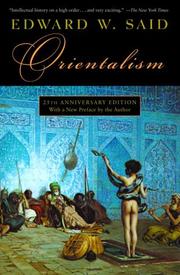
Authors worth knowing include Robert Kiyosaki, who writes about money and personal finance, and Yuval Noah Harari, who connects history with big-scale thinking about the future. Edward Said stands out for critical writing about culture and representation, while Truman Capote shows how non-fiction can be shaped with literary force. The list also includes philosophers, economists, historians, and science writers, which shows how wide the genre really is.