booktheque

non-fiction (2,450)

Non-fiction is the broad label for books and other texts that try to present the real world, not imaginary one. It stands apart from fiction because its core job is to inform, explain, argue, or document. That can include history, science, economics, philosophy, biography, memoir, and books built around real events or real ideas.

The genre grew alongside the need to record knowledge, test ideas, and share them beyond a small circle. Over time, it moved from straightforward educational and reference writing into books that also bring a personal voice or a strong point of view. So non-fiction is not just dry facts. It can be reflective, analytical, and very readable, while still staying tied to real-world subjects.

What defines non-fiction is its mix of clarity and purpose. These books often try to explain how something works, support an argument, or tell what happened using evidence and observation. A book like In Cold Blood shows how a true story can be told with tension and precision, while still staying grounded in fact. You will also find works that focus on big ideas, social questions, or technical subjects, often with a clear structure and recurring concepts.

If you are starting out, Rich Dad Poor Dad is a good entry point for readers who want accessible ideas about money and everyday financial thinking. Why Nations Fail: The Origins of Power, Prosperity, and Poverty suits readers who like big-picture social and economic analysis. Homo Deus: A Brief History of Tomorrow fits people drawn to broad questions about the future of humanity and technology. Voices from Chernobyl is a strong choice for readers who want human testimony and lived experience. The C Programming Language is for readers who want something technical, precise, and practical.

Authors worth knowing include Robert Kiyosaki, who writes about money and personal finance, and Yuval Noah Harari, who connects history with big-scale thinking about the future. Edward Said stands out for critical writing about culture and representation, while Truman Capote shows how non-fiction can be shaped with literary force. The list also includes philosophers, economists, historians, and science writers, which shows how wide the genre really is.
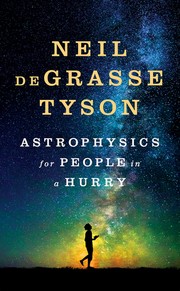
Astrophysics for People in a Hurry
Neil deGrasse Tyson · 2017
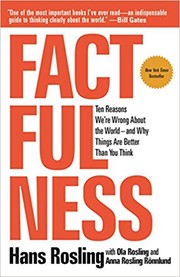
Factfulness
Hans Rosling · 2018
Lifespan: Why We Age - and Why We Don't Have To
David A. Sinclair · 2019
Chosŏn sanggosa
Shin Chae-ho
Elements of International Law
Henry Wheaton · 1836
The English Constitution
Walter Bagehot · 1867
Principles of Economics
Carl Menger · 1871
Atlantis: The Antediluvian World
Ignatius Loyola Donnelly · 1882
Principles of Economics
Alfred Marshall · 1890
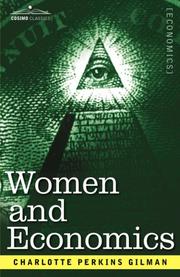
Women and Economics
Charlotte Perkins Gilman · 1898
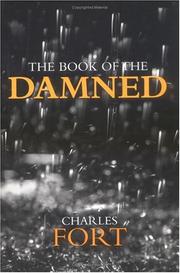
The Book of the Damned
Charles Fort · 1919
Socialism
Ludwig von Mises · 1922
Liberalismus
Ludwig von Mises · 1927
Finnlands Lebensraum
Väinö Auer · 1941
Individualism and Economic Order
Friedrich Hayek · 1948
The Authoritarian Personality
Theodor W. Adorno · 1950
The Destruction of the European Jews
Raul Hilberg · 1961
The Making of the English Working Class
E. P. Thompson · 1963
Reading Capital (work level)
Louis Althusser · 1965
The Electric Kool-Aid Acid Test
Tom Wolfe · 1968
My Secret Garden
Nancy Friday · 1973
On the Juche Idea
Kim Jong-il · 1982
The Other Side: The Secret Relationship Between Nazism and Zionism
Mahmoud Abbas · 1984
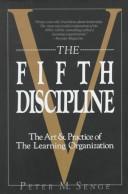
The Fifth Discipline
Peter Senge · 1990
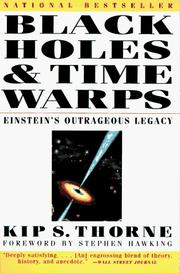
Black Holes and Time Warps
Kip S. Thorne · 1994
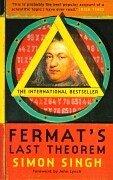
Fermat's Last Theorem
Simon Singh · 1997
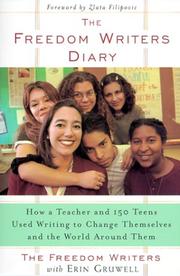
The Freedom Writers Diary
Erin Gruwell · 1999
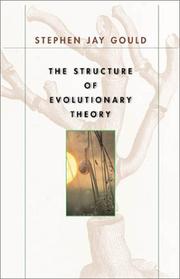
The Structure of Evolutionary Theory
Stephen Jay Gould · 2002
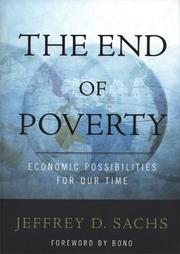
The End of Poverty
Jeffrey Sachs · 2005
The End of America: Letter of Warning to a Young Patriot
Naomi Wolf · 2007
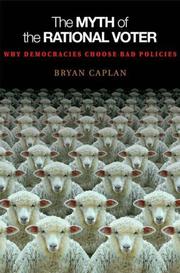
The Myth of the Rational Voter
Bryan Caplan · 2007
Dewey: The Small-Town Library Cat Who Touched the World
Vicki Myron · 2008
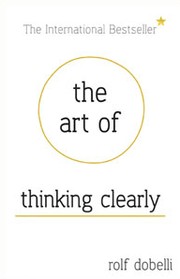
The Art of Thinking Clearly
Rolf Dobelli · 2011
Quiet
Susan Cain · 2012
Seven Brief Lessons on Physics
Carlo Rovelli · 2014
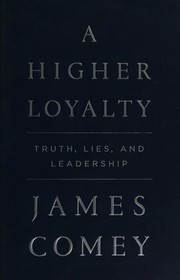
A Higher Loyalty
James Comey · 2018
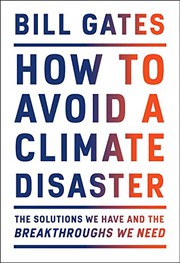
How to Avoid a Climate Disaster
Bill Gates · 2021
Serbia and Albania
Dimitrije Tucović
Encyclopedia of Pleasure
Najm al-Dīn al-Qazwīnī al-Kātibī
Sefer Hasidim
Judah ben Samuel of Regensburg
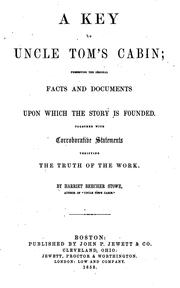
A Key to Uncle Tom's Cabin
Harriet Beecher Stowe · 1853
Considerations on Representative Government
John Stuart Mill · 1861
The Theory of Money and Credit
Ludwig von Mises · 1912
The I.V. Stalin White Sea – Baltic Sea Canal
Leopold Averbakh · 1934
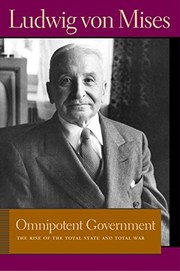
Omnipotent Government
Ludwig von Mises · 1944
Bureaucracy
Ludwig von Mises · 1944
The Bells of Nagasaki
Takashi Nagai · 1950
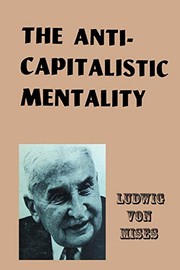
The Anti-Capitalistic Mentality
Ludwig von Mises · 1956