science fiction (7,489)
Science fiction is a broad kind of speculative fiction that imagines how life changes when science, technology, biology, or social systems move in big new directions. Compared with fantasy, it usually keeps one foot closer to the real world, even when the setting is far from familiar.
The genre grew out of curiosity about inventions, exploration, and the consequences of progress, and it gradually expanded from voyages and distant worlds into stories about society, control, identity, and the future of the planet. That flexibility is part of why science fiction can feel both adventurous and thoughtful at the same time.
What stands out in science fiction is a central idea that drives the whole story, often with a sense that the scenario could happen in some form. Common elements include space travel, alien life, time travel, robots, parallel worlds, dystopian systems, and scientific changes that reshape daily life. Dune is a good example from the list: it is not just about action, but about ecology, power, and the way a whole world works.
If you are starting out, Nineteen Eighty-Four is a strong entry point because it shows how science fiction can be used to think about surveillance, control, and society, which works well for readers who like ideas with tension. Fahrenheit 451 is a good pick if you want something direct and readable with a sharp focus on censorship and culture. The Time Machine is a classic way into the genre for readers who enjoy time travel and a big concept built around it. Solaris suits readers who like slower, stranger, more reflective fiction. Jurassic Park is a fit for readers who want science, danger, and a fast pace.
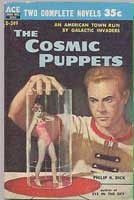
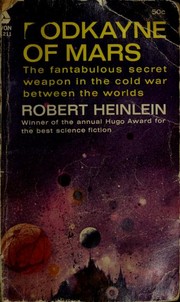
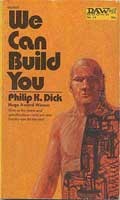
Important names to know in the genre include Isaac Asimov, Arthur C. Clarke, Philip K. Dick, Robert A. Heinlein, Ray Bradbury, and Greg Egan. Asimov and Clarke are closely linked with wide-ranging thinking about technology and the future, Dick with reality and identity, Heinlein with future societies, Bradbury with a more human emotional tone, and Egan with dense, idea-driven science fiction.