booktheque

non-fiction (2,450)

Non-fiction is the broad label for books and other texts that try to present the real world, not imaginary one. It stands apart from fiction because its core job is to inform, explain, argue, or document. That can include history, science, economics, philosophy, biography, memoir, and books built around real events or real ideas.

The genre grew alongside the need to record knowledge, test ideas, and share them beyond a small circle. Over time, it moved from straightforward educational and reference writing into books that also bring a personal voice or a strong point of view. So non-fiction is not just dry facts. It can be reflective, analytical, and very readable, while still staying tied to real-world subjects.

What defines non-fiction is its mix of clarity and purpose. These books often try to explain how something works, support an argument, or tell what happened using evidence and observation. A book like In Cold Blood shows how a true story can be told with tension and precision, while still staying grounded in fact. You will also find works that focus on big ideas, social questions, or technical subjects, often with a clear structure and recurring concepts.

If you are starting out, Rich Dad Poor Dad is a good entry point for readers who want accessible ideas about money and everyday financial thinking. Why Nations Fail: The Origins of Power, Prosperity, and Poverty suits readers who like big-picture social and economic analysis. Homo Deus: A Brief History of Tomorrow fits people drawn to broad questions about the future of humanity and technology. Voices from Chernobyl is a strong choice for readers who want human testimony and lived experience. The C Programming Language is for readers who want something technical, precise, and practical.

Authors worth knowing include Robert Kiyosaki, who writes about money and personal finance, and Yuval Noah Harari, who connects history with big-scale thinking about the future. Edward Said stands out for critical writing about culture and representation, while Truman Capote shows how non-fiction can be shaped with literary force. The list also includes philosophers, economists, historians, and science writers, which shows how wide the genre really is.
The Battle for God
Karen Armstrong · 2000
When Genius Failed
Roger Lowenstein · 2000
River Town: Two Years on the Yangtze
Peter Hessler · 2001
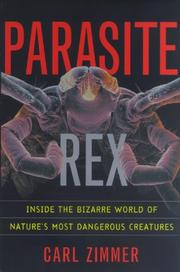
Parasite Rex
Carl Zimmer · 2001
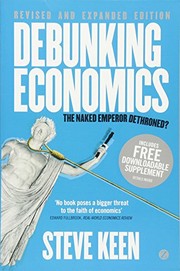
Debunking Economics
Steve Keen · 2001
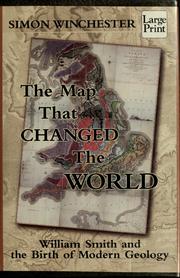
The Map that Changed the World
Simon Winchester · 2001
The Art of Seduction
Robert Greene · 2001
The Noonday Demon: An Atlas of Depression
Andrew Solomon · 2001
The Orchids of the Philippines
Jim Cootes · 2001
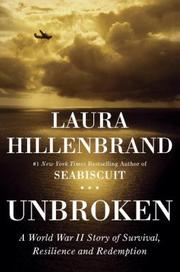
Unbroken
Laura Hillenbrand · 2001
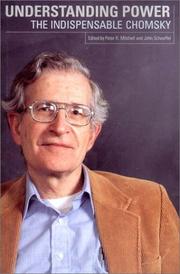
Understanding Power: The Indispensable Chomsky
Noam Chomsky · 2002
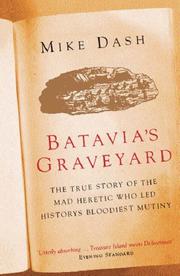
Batavia's Graveyard
Mike Dash · 2002
Complications: A Surgeon's Notes on an Imperfect Science
Atul Gawande · 2002
Evolving the Alien
Jack Cohen · 2002
Stiff: The Curious Lives of Human Cadavers
Mary Roach · 2003
The Case for Israel
Alan Dershowitz · 2003
Catastrophe: Risk and Response
Richard Posner · 2004
Tree: A Life Story
David Suzuki · 2004
The Demons of Eden
Lydia Cacho · 2004
One Hundred and One Days
Åsne Seierstad · 2004
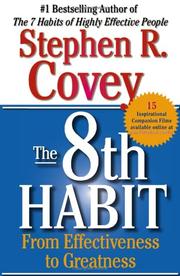
The 8th Habit
Stephen Covey · 2004
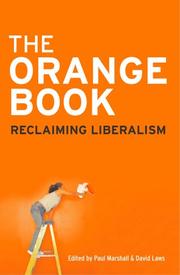
The Orange Book: Reclaiming Liberalism
Paul Marshall · 2004
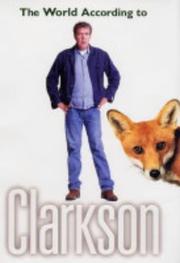
The World According to Clarkson
Jeremy Clarkson · 2004
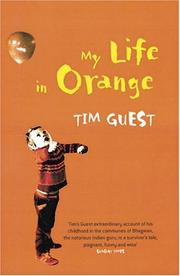
My Life in Orange
Tim Guest · 2004
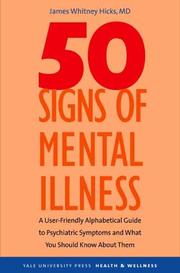
50 Signs of Mental Illness
James Whitney Hicks · 2005
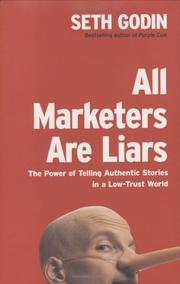
All Marketers Are Liars
Seth Godin · 2005
Having a Great Birth in Australia
David Vernon · 2005
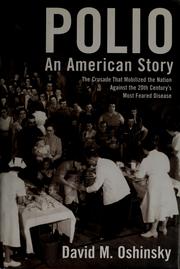
Polio: An American Story
David Oshinsky · 2005
Poor Charlie's Almanack: The Wit and Wisdom of Charles T. Munger
Charlie Munger · 2005
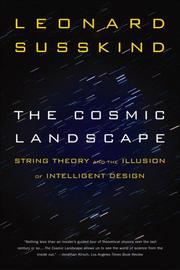
The Cosmic Landscape
Leonard Susskind · 2005
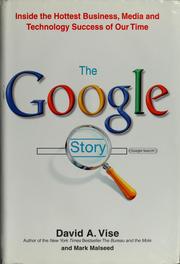
The Google Story
David A. Vise · 2005
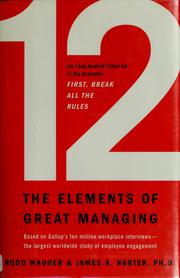
12: The Elements of Great Managing
Rodd Wagner · 2006
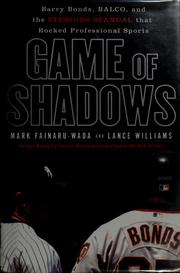
Game of Shadows
Lance Williams and Mark Fainaru-Wada · 2006
Men at Birth
David Vernon · 2006
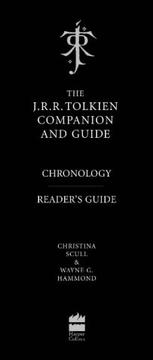
The J. R. R. Tolkien Companion and Guide
Christina Scull · 2006
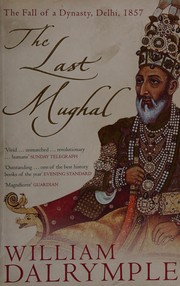
The Last Mughal
William Dalrymple · 2006
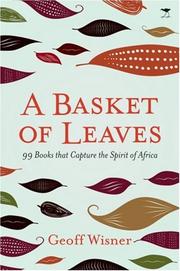
A Basket of Leaves
Geoff Wisner · 2007
South Park and Philosophy: Bigger, Longer, and More Penetrating
Richard Hanley · 2007
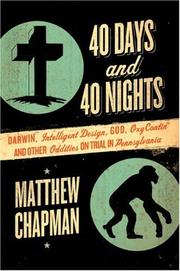
40 Days and 40 Nights
Matthew Chapman · 2007
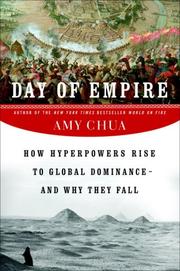
Day of Empire
Amy Chua · 2007
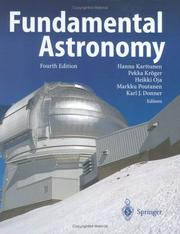
Fundamental Astronomy
Hannu Karttunen · 2007
Hollywood Undercover
Ian Halperin · 2007
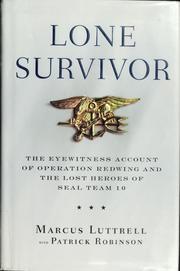
Lone Survivor
Marcus Luttrell · 2007
Shakespeare: The World as Stage
Bill Bryson · 2007
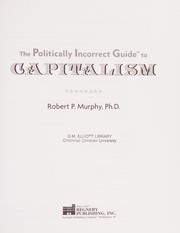
The Politically Incorrect Guide to Capitalism
Robert Patrick Murphy · 2007
The Stuff of Thought
Steven Pinker · 2007
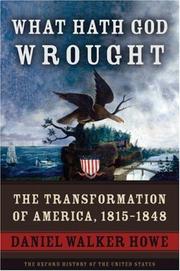
What Hath God Wrought: The Transformation of America, 1815–1848
Daniel Walker Howe · 2007
Pollomuhku ja Posityyhtynen
Jaana Kapari-Jatta · 2008