booktheque

non-fiction (2,450)

Non-fiction is the broad label for books and other texts that try to present the real world, not imaginary one. It stands apart from fiction because its core job is to inform, explain, argue, or document. That can include history, science, economics, philosophy, biography, memoir, and books built around real events or real ideas.

The genre grew alongside the need to record knowledge, test ideas, and share them beyond a small circle. Over time, it moved from straightforward educational and reference writing into books that also bring a personal voice or a strong point of view. So non-fiction is not just dry facts. It can be reflective, analytical, and very readable, while still staying tied to real-world subjects.

What defines non-fiction is its mix of clarity and purpose. These books often try to explain how something works, support an argument, or tell what happened using evidence and observation. A book like In Cold Blood shows how a true story can be told with tension and precision, while still staying grounded in fact. You will also find works that focus on big ideas, social questions, or technical subjects, often with a clear structure and recurring concepts.

If you are starting out, Rich Dad Poor Dad is a good entry point for readers who want accessible ideas about money and everyday financial thinking. Why Nations Fail: The Origins of Power, Prosperity, and Poverty suits readers who like big-picture social and economic analysis. Homo Deus: A Brief History of Tomorrow fits people drawn to broad questions about the future of humanity and technology. Voices from Chernobyl is a strong choice for readers who want human testimony and lived experience. The C Programming Language is for readers who want something technical, precise, and practical.

Authors worth knowing include Robert Kiyosaki, who writes about money and personal finance, and Yuval Noah Harari, who connects history with big-scale thinking about the future. Edward Said stands out for critical writing about culture and representation, while Truman Capote shows how non-fiction can be shaped with literary force. The list also includes philosophers, economists, historians, and science writers, which shows how wide the genre really is.
The Greening of America
Charles A. Reich · 1970
Post-Scarcity Anarchism
Murray Bookchin · 1971
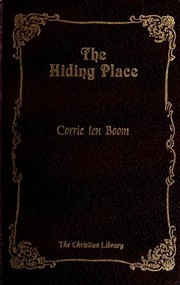
The Hiding Place
Corrie ten Boom · 1971
New Oxford Book of English Verse 1250–1950
Helen Gardner · 1972
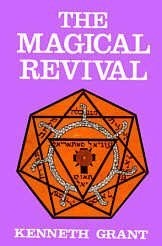
The Magical Revival
Kenneth Grant · 1972
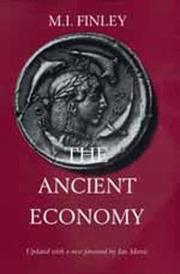
The Ancient Economy
Moses I. Finley · 1973
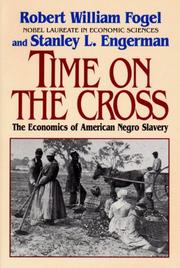
Time on the Cross: The Economics of American Negro Slavery
Robert Fogel · 1974
On the Art of Opera
Kim Jong-il · 1974
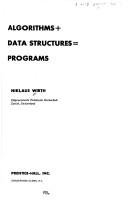
Algorithms + Data Structures = Programs
Niklaus Wirth · 1976
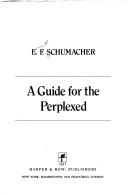
A Guide for the Perplexed
E. F. Schumacher · 1977
Changing of the Gods
Naomi Goldenberg · 1979
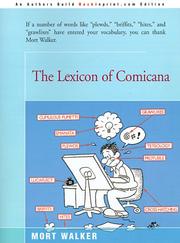
The Lexicon of Comicana
Mort Walker · 1980
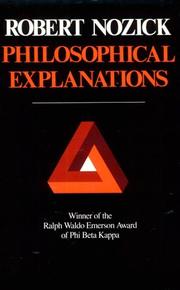
Philosophical Explanations
Robert Nozick · 1981
When Bad Things Happen to Good People
Harold Kushner · 1981
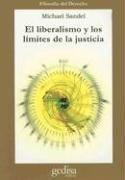
Liberalism and the Limits of Justice
Michael Sandel · 1982
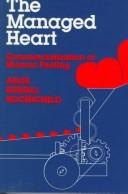
The Managed Heart
Arlie Russell Hochschild · 1983
Images of Organization
Gareth Morgan · 1986
The Wise Men
Walter Isaacson · 1986
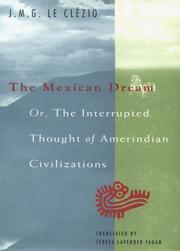
The Mexican Dream, Or, The Interrupted Thought of Amerindian Civilizations
Jean-Marie Gustave Le Clézio · 1988
Battle Cry of Freedom
James M. McPherson · 1988
The Fold: Leibniz and the Baroque
Gilles Deleuze · 1988
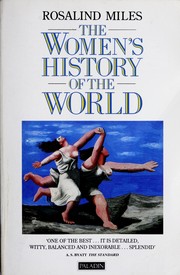
The Women's History of the World
Rosalind Miles · 1988
Lipstick Traces: A Secret History of the 20th Century
Greil Marcus · 1989
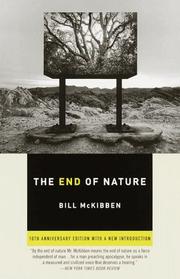
The End of Nature
Bill McKibben · 1989
UNIX Network Programming
W. Richard Stevens · 1990
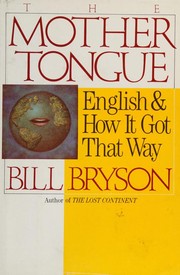
The Mother Tongue
Bill Bryson · 1990
Hindu Temples: What Happened to Them
Sita Ram Goel · 1991
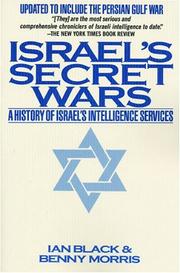
Israel's Secret Wars
Ian Black · 1991
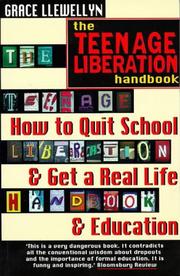
The Teenage Liberation Handbook
Grace Llewellyn · 1991
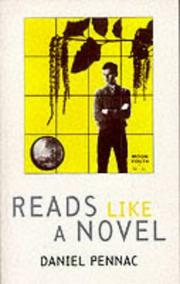
Reads like a novel
Daniel Pennac · 1992
Den of Thieves
James B. Stewart · 1992
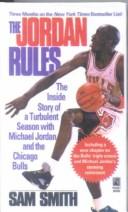
The Jordan Rules
Sam Smith · 1992
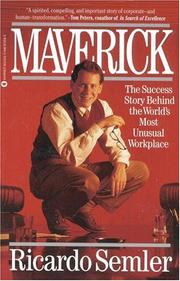
Maverick
Ricardo Semler · 1993
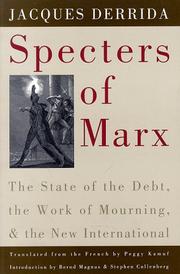
Specters of Marx
Jacques Derrida · 1993
Built to Last: Successful Habits of Visionary Companies
James C. Collins · 1994
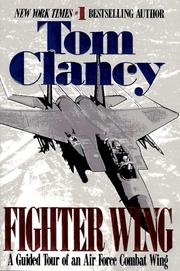
Fighter Wing: A Guided Tour of an Air Force Combat Wing
Tom Clancy · 1995
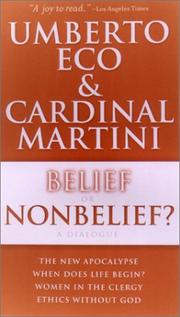
Belief or Nonbelief?
Umberto Eco · 1996
Everybody Loves a Good Drought
Palagummi Sainath · 1996
Timely Death
1996
T. Rex and the Crater of Doom
Walter Alvarez · 1997
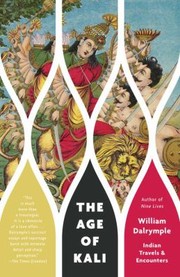
The Age of Kali
William Dalrymple · 1998
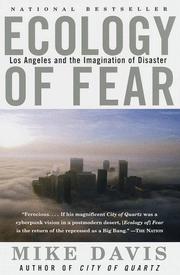
Ecology of Fear
Mike Davis · 1998
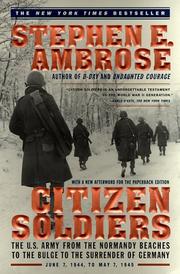
Citizen Soldiers
Stephen E. Ambrose · 1998
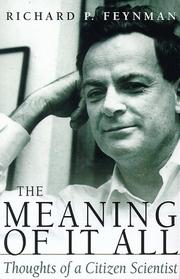
The Meaning of It All
Richard Feynman · 1998
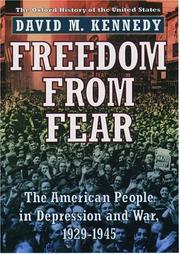
Freedom From Fear
David M. Kennedy · 1999
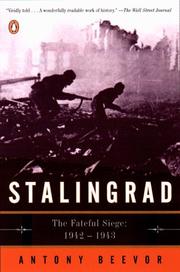
Stalingrad
Antony Beevor · 1999
Founding Brothers
Joseph Ellis · 2000
Jeremy Clarkson on Ferrari
Jeremy Clarkson · 2000